4550 Eldorado Pkwy, Suite 107, McKinney, TX 75070

A healthy, well-aligned smile is about more than appearance. The way your teeth fit together affects how you chew, speak, clean your teeth, and even how comfortable your jaw feels throughout the day. While some alignment concerns are easy to notice, others develop gradually and are often overlooked until they begin causing everyday problems.
Many people assume orthodontic treatment is only for teenagers, but that’s no longer the case. Children, teens, and adults can all benefit from treatment when bite or alignment issues interfere with oral health or confidence. If you’ve been wondering whether it’s the right time to explore your options, understanding the common signs can help you make an informed decision.
If you’re considering braces in McKinney, scheduling an orthodontic evaluation is the best way to determine whether treatment could improve your smile and long-term oral health.
At West McKinney Dental & Orthodontics, we provide personalized orthodontic evaluations and treatment plans designed to help patients of all ages achieve healthier, more confident smiles in a comfortable and welcoming environment.
If you’re considering braces in McKinney, scheduling an orthodontic evaluation is the best way to determine whether treatment could improve your smile and long-term oral health.
Common Signs You May Need Orthodontic Treatment
Not everyone experiences the same symptoms, but several warning signs often indicate that teeth or jaws are not properly aligned.
Crowded or Overlapping Teeth
When teeth overlap or twist, brushing and flossing become more difficult. This can increase the risk of:
- Plaque buildup
- Tooth decay
- Gum disease
- Persistent bad breath
Straightening crowded teeth makes daily oral hygiene much easier.
Large Gaps Between Teeth
Spaces between teeth may seem like only a cosmetic concern, but they can also affect:
- Bite stability
- Gum health
- Tooth movement over time
An orthodontic evaluation can determine whether spacing should be corrected.
Bite Problems
Your bite describes how your upper and lower teeth meet.
Common bite issues include:
- Overbite
- Underbite
- Crossbite
- Open bite
These conditions may lead to uneven tooth wear, chewing difficulties, or jaw discomfort if left untreated.
Frequent Jaw Pain or Clicking
If your jaw feels sore, clicks when opening, or becomes tired while chewing, misaligned teeth may be contributing to the problem.
Although jaw pain has several possible causes, orthodontic treatment is sometimes recommended as part of a comprehensive treatment plan.
Difficulty Chewing Certain Foods
If biting into sandwiches, apples, or other firm foods feels uncomfortable, poor alignment may be affecting how your teeth work together.
Properly aligned teeth distribute chewing forces more evenly, making eating more comfortable.
Teeth That Wear Down Too Quickly
When teeth do not meet correctly, excessive pressure can be placed on certain areas.
Signs include:
- Chipped edges
- Flattened teeth
- Cracks
- Uneven enamel wear
Correcting alignment may help reduce unnecessary stress on your teeth.
Signs Parents Should Watch for in Children
Early orthodontic evaluations can identify developing problems before they become more complicated.
Parents should watch for:
- Baby teeth falling out very early or very late
- Difficulty chewing
- Mouth breathing
- Thumb sucking that continues beyond early childhood
- Crowded permanent teeth
- Teeth growing in unusual positions
- Speech difficulties
- Jaws that shift when opening or closing
The American Association of Orthodontists recommends an orthodontic evaluation by around age seven. This does not necessarily mean treatment begins immediately, but it allows developing issues to be monitored.
Ready to find out if orthodontic treatment is right for you or your child? Contact us today to schedule your consultation.
It’s Never Too Late for Adults
Many adults believe they’ve missed the opportunity to improve their smiles.
Fortunately, orthodontic treatment has become increasingly popular among adults because it can address:
- Crooked teeth
- Bite problems
- Teeth shifting after previous treatment
- Difficulty cleaning crowded teeth
- Cosmetic concerns before important life events
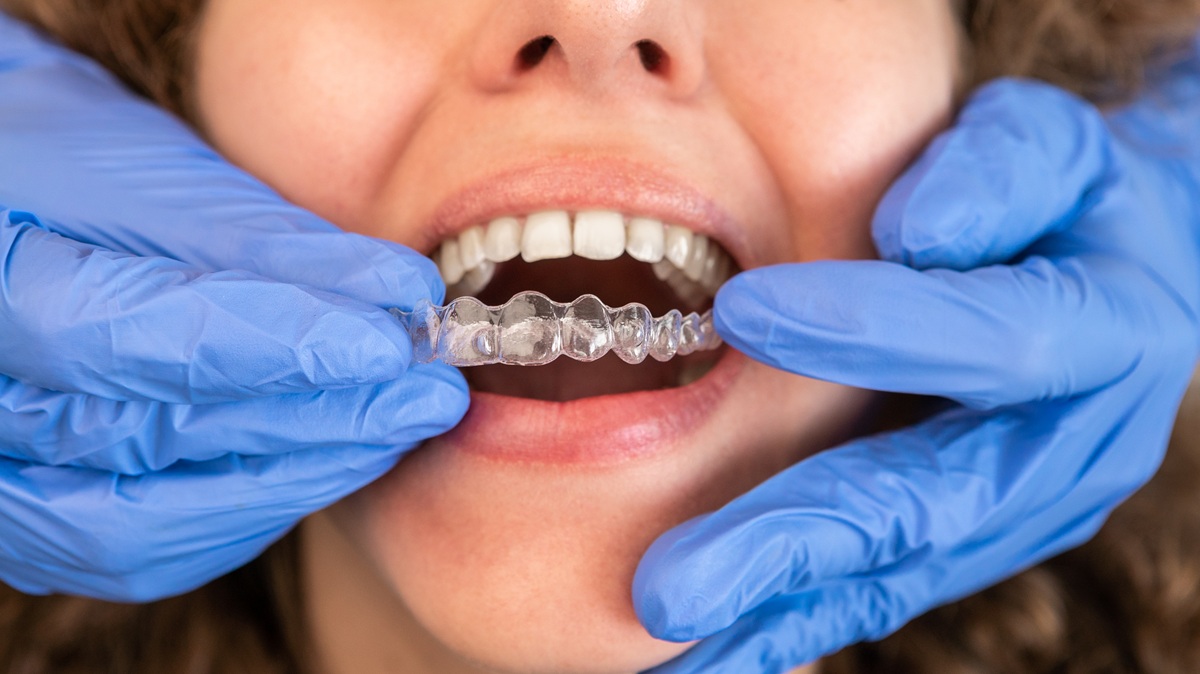
Modern treatment options are often more comfortable and discreet than many people expect.
Why Waiting Can Make Treatment More Complicated
Some alignment issues gradually worsen over time.
Delaying treatment may contribute to:
- Increased tooth wear
- Higher risk of cavities
- Gum recession
- More difficult oral hygiene
- Greater treatment complexity
- Additional restorative dental work later
Early evaluation allows problems to be addressed before they become more severe.
What Happens During an Orthodontic Consultation?
Many people delay scheduling an appointment simply because they don’t know what to expect.
A typical consultation usually includes:
- Discussion of your concerns and goals
- Examination of your teeth and bite
- Digital X-rays or photographs if needed
- Evaluation of jaw alignment
- Review of available treatment options
- Estimated treatment timeline
- Opportunity to ask questions
After the evaluation, your orthodontist will explain whether treatment is recommended and which option best fits your needs.
Benefits Beyond a Straighter Smile
Orthodontic treatment offers more than cosmetic improvements.
Patients often experience:
- Easier brushing and flossing
- Improved bite function
- Better chewing efficiency
- Reduced uneven tooth wear
- Improved speech in certain cases
- Increased confidence
- Better long-term oral health
These benefits can continue long after treatment is complete.
Supporting Your Smile Throughout Treatment
Whether treatment lasts several months or a few years, good habits make a significant difference.
Helpful tips include:
- Brush after every meal.
- Floss daily.
- Attend every adjustment appointment.
- Wear any recommended rubber bands or retainers as instructed.
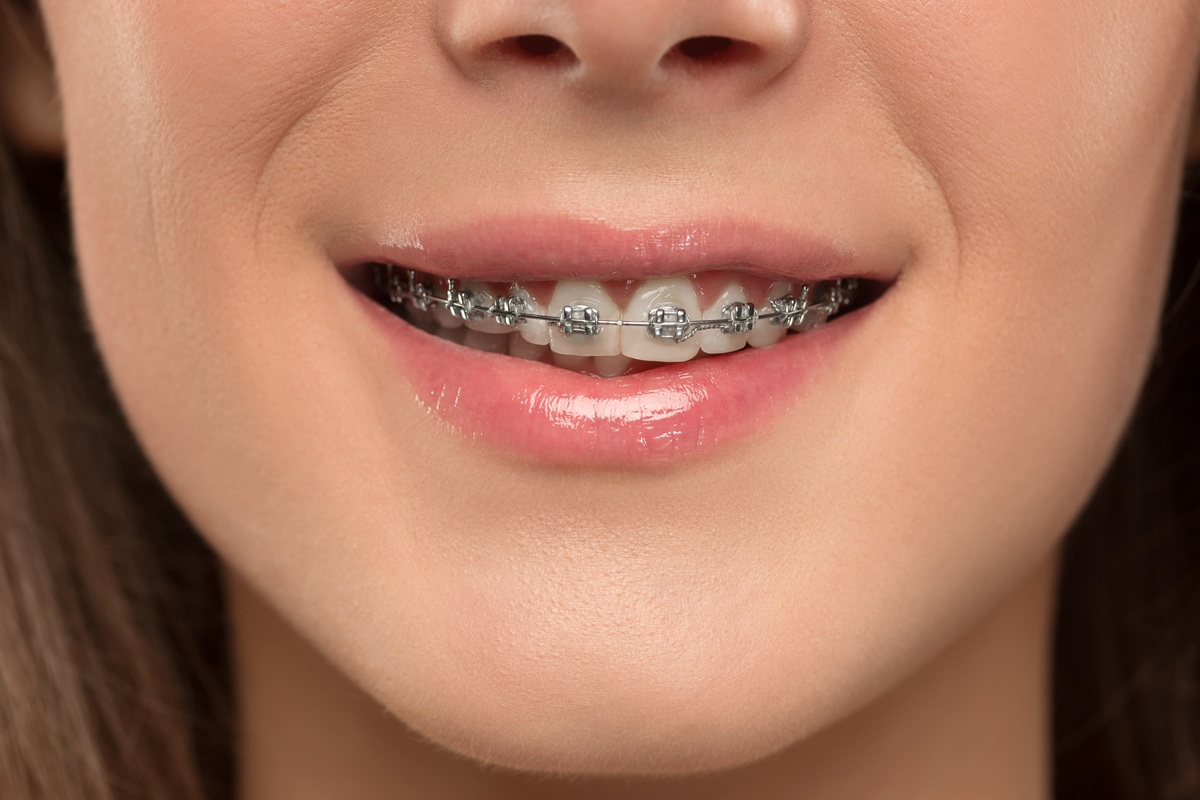
- Limit sticky or hard foods if wearing traditional braces.
- Continue regular dental cleanings.
Following your orthodontist’s recommendations can help keep treatment on schedule.
Personalized Care Close to Home
Choosing a trusted local dental team makes orthodontic care more convenient for busy families. At West McKinney Dental & Orthodontics, patients receive personalized treatment plans based on their individual smile goals, lifestyle, and oral health needs. Whether you’re exploring care for your child or yourself, the team is committed to helping you understand every step of the process.
If you’ve noticed crooked teeth, bite concerns, or jaw discomfort, now may be the perfect time to schedule a consultation. For patients looking for braces in McKinney, an early evaluation can provide clarity and help you choose the right path toward a healthier, more confident smile.
Schedule Your Consultation Today
If you’re wondering whether orthodontic treatment is right for you or your child, the experienced team at West McKinney Dental & Orthodontics is here to help. A personalized consultation can identify alignment concerns early and recommend the most effective treatment options. Contact the office today to schedule your visit and take the first step toward a healthier, straighter smile.
Frequently Asked Questions
How do I know if I really need braces?
Only a professional orthodontic evaluation can determine whether treatment is necessary. Common signs include crowded teeth, bite problems, gaps, jaw discomfort, and difficulty cleaning between teeth.
What is the best age to get braces?
Treatment can be successful at many ages. Children are often evaluated around age seven, while teens and adults can also achieve excellent results.
Are braces painful?
You may experience mild soreness after adjustments, but this usually improves within a few days. Most patients adjust quickly.
How long does treatment usually take?
Treatment varies depending on your needs but commonly lasts between 12 and 30 months.
Can adults still benefit from orthodontic treatment?
Absolutely. Many adults choose orthodontic treatment to improve oral health, bite function, and smile confidence.