4550 Eldorado Pkwy, Suite 107, McKinney, TX 75070

Jaw discomfort can start quietly.
Maybe it feels like tension when you wake up. Maybe chewing feels uneven, your jaw clicks occasionally, or certain foods suddenly become annoying to eat. For some people, headaches, facial pressure, or teeth that don’t seem to fit together comfortably become part of daily life.
While jaw discomfort has many possible causes, one factor that often gets overlooked is how your teeth and bite work together.
Orthodontic treatment isn’t only about creating straighter smiles. In many cases, it can play an important role in improving bite alignment and reducing strain on the jaw.
Schedule a consultation to learn whether personalized orthodontic care could support better bite balance and everyday comfort.
Understanding the Connection Between Your Bite and Jaw Comfort
Your bite refers to the way your upper and lower teeth come together when your mouth closes.
When the bite is balanced, the jaw muscles and joints typically work efficiently. But when teeth don’t align properly, extra pressure can develop over time.
This imbalance may contribute to concerns such as:
- Jaw soreness or fatigue
- Difficulty chewing comfortably
- Clicking or popping sounds
- Uneven tooth wear
- Frequent tension headaches
- Clenching or grinding habits
- Feeling like teeth don’t meet evenly
Not every jaw issue requires orthodontic treatment, but evaluating bite alignment can reveal contributing factors that may otherwise go unnoticed.
Common Bite Problems That May Affect Jaw Function
Several orthodontic concerns can place additional stress on the jaw.
Overbite
When upper teeth extend too far over lower teeth, the jaw may shift into less comfortable positions during daily movement.
Underbite
A lower jaw that extends forward can affect chewing patterns and create uneven pressure.
Crossbite
When some upper teeth sit inside lower teeth, it can lead to asymmetrical jaw movement.
Open Bite
Teeth that do not fully meet may force surrounding muscles to work harder during eating and speaking.
Crowding and Misalignment
Even mild crowding may contribute to uneven contact points and changes in bite function.
For patients exploring orthodontic treatment in Mckinney, choosing a practice that evaluates both appearance and function can help create more complete treatment outcomes.
How Orthodontic Treatment May Help
Orthodontic treatment focuses on improving alignment and creating a more balanced relationship between teeth and jaw movement.
Depending on the diagnosis, treatment may help by:
Improving Bite Balance
Proper tooth positioning can reduce uneven force distribution.
Supporting Better Jaw Movement
When teeth fit together more comfortably, the jaw may move with less strain.
Reducing Excess Wear
Balanced bites can help minimize pressure on individual teeth.
Making Everyday Activities Easier
Patients often notice improvements in chewing, speaking, and overall comfort.
It’s important to understand that orthodontics does not directly treat every cause of jaw pain or temporomandibular disorders (TMD). However, when bite alignment contributes to symptoms, treatment may become part of a broader care plan.
Signs It May Be Time for an Evaluation
Some people assume jaw discomfort is simply stress or something they must live with.
Consider scheduling an evaluation if you notice:
- Persistent jaw tightness
- Teeth that feel misaligned
- Frequent clenching or grinding
- Difficulty biting into foods
- Facial soreness after waking
- Recurring headaches linked to jaw tension
- Teeth shifting over time
Early evaluation can often help identify whether bite correction could improve comfort before issues become more noticeable.
Modern Orthodontic Care Is More Flexible Than Many People Expect
One reason adults delay treatment is concern about time or appearance.
Today’s orthodontic options are designed with flexibility in mind.
Depending on individual needs, treatment may include:
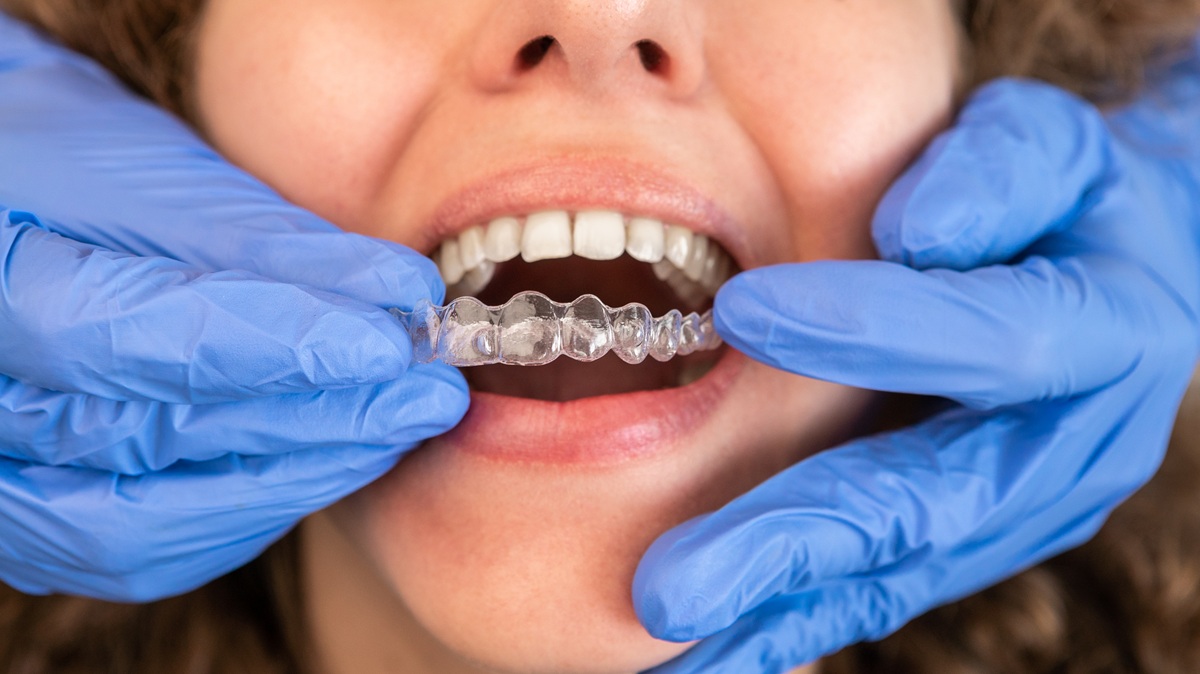
- Clear aligners
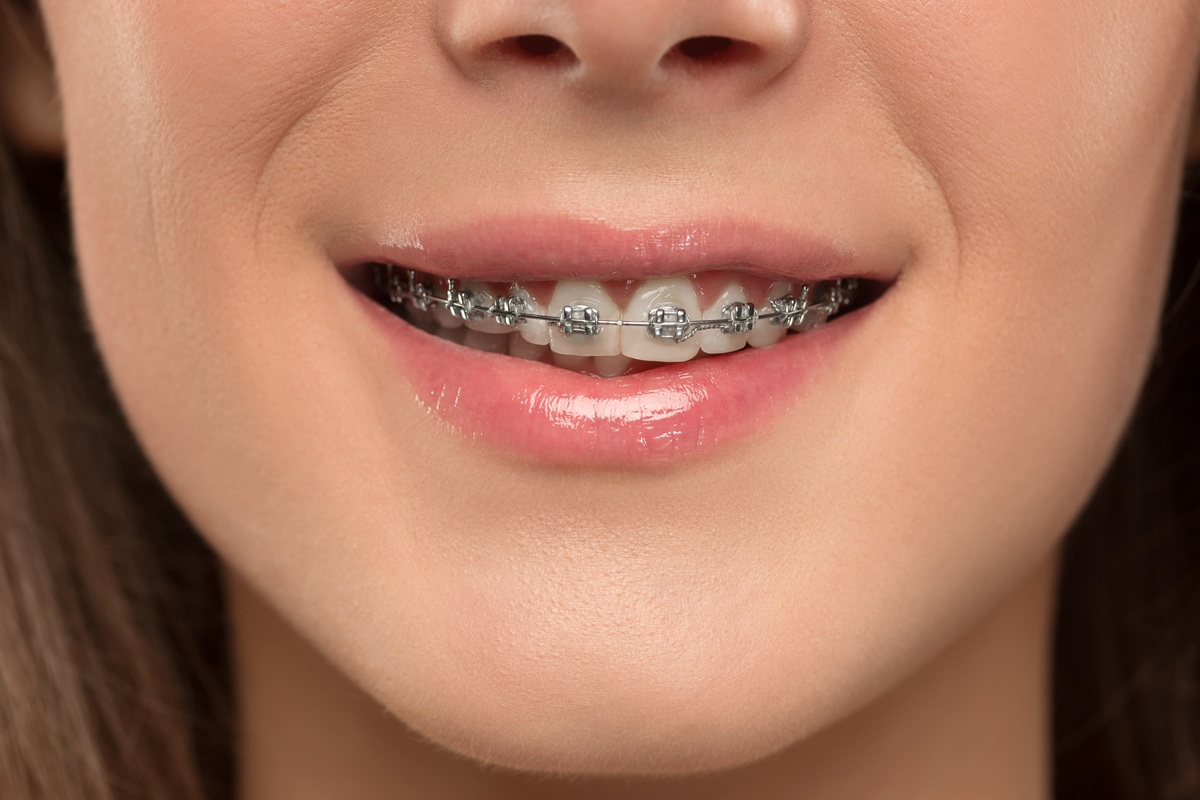
- Traditional braces
- Ceramic braces
- Phase-based treatment planning
- Combined restorative and orthodontic approaches
Every treatment plan should begin with a detailed assessment rather than assuming one solution fits everyone.
Why Local Patients Often Appreciate Personalized Orthodontic Planning
Life in McKinney moves quickly. Between school schedules, commuting, sports, and work commitments, convenience matters.
Patients often value treatment plans that account for daily routines while still addressing long-term oral health goals.
A personalized consultation allows providers to evaluate:
- Tooth alignment
- Jaw movement
- Existing dental restorations
- Oral habits
- Long-term bite stability goals
If discomfort has been ongoing, having a professional assessment may provide clarity on whether alignment is part of the picture.
What Happens During a Consultation?
A typical orthodontic consultation may include:
- Discussion of symptoms and concerns
- Digital imaging and examination
- Bite evaluation
- Review of treatment options
- Timeline and expected outcomes
The goal is understanding not only how your smile looks—but how your bite performs every day.
Take the First Step Toward a More Comfortable Bite
Jaw discomfort and bite issues are not always something to ignore or simply adapt to.
If chewing feels off, your jaw feels tired, or your teeth no longer seem to fit together comfortably, an evaluation may help identify the cause.
At West McKinney Dental & Orthodontics, treatment planning focuses on both function and aesthetics—helping patients build healthier, more comfortable smiles for the future.
Frequently Asked Questions
Can braces stop jaw pain?
Braces are not a direct treatment for all jaw pain. However, if bite misalignment contributes to discomfort, orthodontic correction may help improve function.
Do clear aligners help bite problems?
In many cases, clear aligners can address certain bite concerns depending on complexity and treatment goals.
How long does treatment usually take?
Treatment timelines vary widely based on alignment needs and overall oral health. A consultation provides the most accurate estimate.
Is orthodontic treatment only for teenagers?
No. Adults frequently pursue treatment for bite correction, comfort, and long-term oral health.
Will insurance cover treatment?
Coverage varies by plan. Many offices can review benefits and discuss available payment options.