4550 Eldorado Pkwy, Suite 107, McKinney, TX 75070

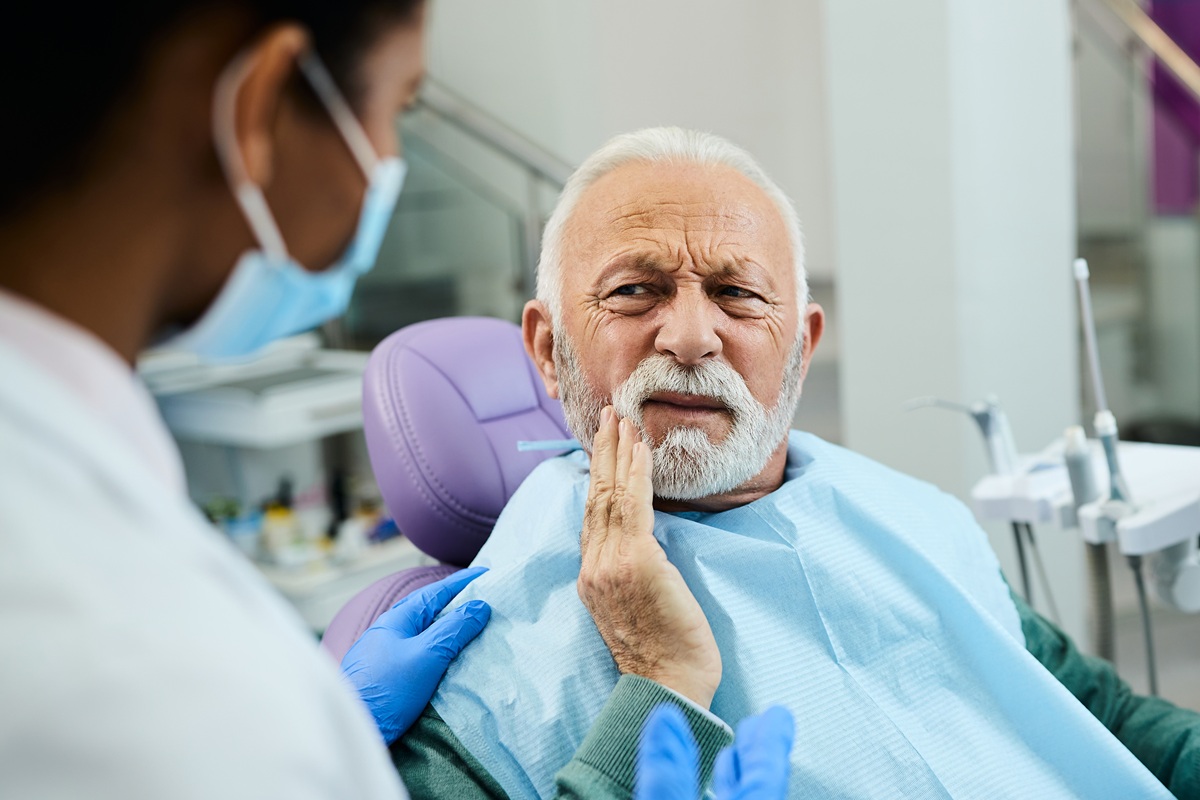
Missing a tooth changes more than just your smile. Chewing gets weird. Talking feels off sometimes. And that gap just sits there, reminding you every time you look in the mirror.
Dental implants fix that, and honestly, they fix it well. But here’s the question everyone asks first: am I even a good fit for this? Not everyone is, at least not right away. So let’s break down what actually makes someone a strong candidate for dental implants in McKinney, and what might need to happen first if you’re not quite there yet.
What Makes Dental Implants Different
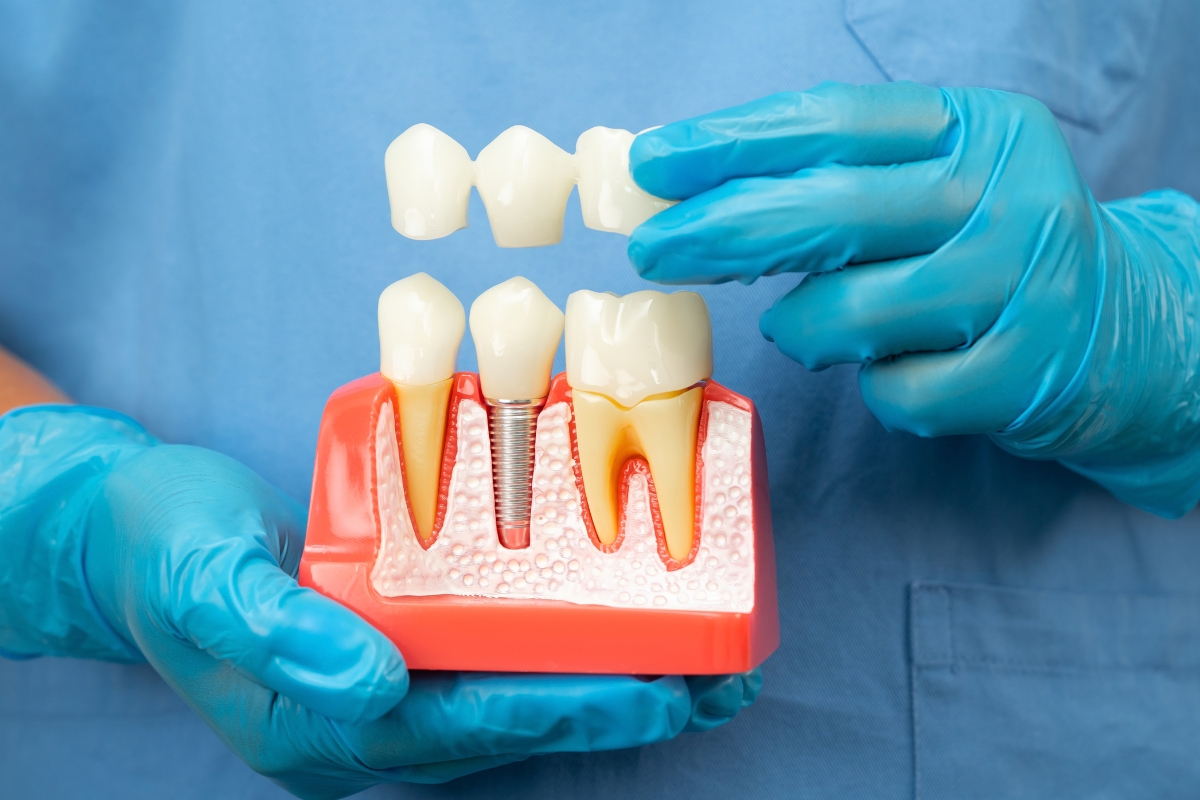
Quick refresher, in case you’re new to this. A dental implant isn’t like a denture or a bridge. It’s a small titanium post placed directly into your jawbone, acting like an artificial tooth root. Over a few months, your bone actually fuses to it. Then a crown gets attached on top, and boom, it looks, feels, and functions like a real tooth.
That fusion process is exactly why candidacy matters so much for dental implants in McKinney. Your body needs to be ready to support that implant long-term. So what does “ready” actually look like?
6 Factors That Determine If You’re a Good Candidate
1. You Have Enough Healthy Jawbone
This is the big one. Implants need bone to anchor into. If you’ve lost significant bone density, often from wearing dentures for years or long-term gum disease, you might need a bone graft first. Not a dealbreaker, just an extra step.
2. Your Gums Are Healthy and Free of Disease
Active gum disease needs to get treated before implants go in. Otherwise, the infection can spread and compromise the implant down the line. A dentist offering dental implants near McKinney will always check gum health first, no shortcuts here.
3. You Don’t Smoke, or You’re Willing to Quit During Healing
Smoking slows healing and raises the risk of implant failure significantly. It’s not an automatic no, but most dentists will strongly recommend quitting, at least during the recovery period. Your future self will thank you.
4. Your Diabetes (If You Have It) Is Well Managed
Uncontrolled blood sugar messes with healing all over the body, including your mouth. If your diabetes is under control, though, implants are usually still very much on the table. It’s really about stability, not the diagnosis itself.
5. You’re Committed to Good Oral Hygiene
Implants don’t get cavities, sure, but the gum tissue around them absolutely needs care. Skipping brushing and flossing around an implant can lead to a condition called peri-implantitis, which is basically gum disease for implants. Stay on top of it, and it’s a non-issue.
6. Your Jaw Has Finished Growing
This one mostly applies to younger patients. Implants are usually held off until the jaw is fully developed, typically late teens or later. Get one too early, and growth changes can shift things in ways that cause real problems.
Six boxes, roughly speaking. Check most of them, and you’re likely a strong candidate. Miss one or two? That doesn’t mean no; it usually just means a short prep phase first.
What If You’re Not a Perfect Candidate Yet?
Don’t stress if you read through that list and thought “uh oh.” Most of these issues are fixable. Bone grafts rebuild lost density. Gum disease gets treated with a deep cleaning. Diabetes gets better managed with a doctor’s help. It just takes a bit of patience before moving forward.
The best move? Book a consultation. A dentist offering dental implants in McKinney can evaluate your specific situation with an exam and imaging, then map out exactly what needs to happen, if anything, before you’re implant-ready.
Other Things Worth Considering
- Implants are a bigger upfront investment than dentures or bridges, but they last much longer.
- Healing time varies, usually a few months before the final crown goes on.
- Implants can replace a single tooth, several teeth, or even support a full arch.
- Most healthy adults, regardless of age, qualify as long as bone and gum health check out.
- Recovery is usually easier than people expect, with most patients back to normal routines within a few days.
FAQ: Frequently Asked Questions
Q: How long does the dental implant process take from start to finish?
Usually 3-6 months total, sometimes longer if a bone graft is needed first. It depends on your healing speed too.
Q: Are dental implants painful?
The procedure itself is done under anesthesia, so there’s minimal pain during. Some soreness afterward is normal, but it’s manageable with standard pain relief.
Q: Can older adults get dental implants in McKinney?
Absolutely, age alone isn’t a disqualifier. What matters more is bone density and overall health, not the number on your birth certificate.
Q: What happens if I don’t have enough jawbone?
A bone graft usually solves this. It adds volume and density so the implant has something solid to anchor into.
Q: Do dental implants look natural?
Yes, genuinely. The crown on top is custom-matched to your other teeth, so most people can’t tell which tooth is the implant.
Ready to Find Out If You Qualify?
The only real way to know for sure is a proper evaluation. Guessing off a checklist only gets you so far. Every mouth is a little different, and that’s exactly why a hands-on exam matters so much before moving forward with treatment.
West McKinney Dental & Orthodontics offers thorough consultations for dental implants in McKinney, with Dr. Robert W. Allen walking you through your options honestly, no pressure, no upsell. Just a clear picture of what’s possible for your smile. Request an appointment today or visit our clinic at 4550 Eldorado Pkwy Ste 107, McKinney, TX 75070, and restore your smile with us.