4550 Eldorado Pkwy, Suite 107, McKinney, TX 75070

Life moves quickly. Between work deadlines, family schedules, school pickups, social plans, and everything in between, it’s easy to put personal health on hold—including dental care.
One of the most common questions adults ask before replacing missing teeth is simple: How long is this actually going to take?
Many people assume the process will interrupt their routines for months or require constant appointments. In reality, modern implant treatment is often more manageable than expected when planned properly.
If replacing missing teeth has been sitting on your to-do list for months—or years—this may be the right time to take the first step and schedule your consultation with us.
If you’ve been considering a long-term solution for missing teeth but keep delaying because of timing concerns, this guide breaks down what the process really looks like—and how busy adults can fit treatment into everyday life.
First Things First: The Timeline Is More Flexible Than Most People Think
Dental implants are not a one-day procedure, but they also don’t require putting your life on pause.
The complete timeline depends on factors such as:
- Number of teeth being replaced
- Overall oral health
- Bone support and healing response
- Whether additional procedures are needed
- Personal scheduling preferences
For many adults, the process happens in stages with long periods of normal daily activity between visits.
Stage 1: Your Consultation and Treatment Planning
Typical time: 60–90 minutes
Everything starts with a consultation.
This visit is designed to answer questions, evaluate your smile, and create a personalized treatment roadmap. Advanced imaging allows your dental team to assess bone structure, gum health, and implant placement planning.
During this appointment, you can expect:
- Digital imaging and examination
- Discussion of goals and expectations
- Review of treatment phases
- Cost and scheduling overview
- Time to ask practical questions about work, travel, and recovery
For adults balancing packed calendars, planning ahead often removes much of the stress.
Stage 2: Preparation (Only If Needed)
Typical timeline: A few weeks to several months depending on needs
Not every patient needs preparation before implant placement.
However, some adults may benefit from:
- Tooth extraction
- Bone grafting
- Gum treatment
- Healing time before implant placement
If additional care is recommended, your dentist will explain exactly why and how it affects timing.
Many patients are pleasantly surprised to learn that preparation appointments are usually straightforward and spaced out enough to fit around work commitments.
Stage 3: Implant Placement Day
Typical appointment: 1–2 hours
This is the appointment people tend to worry about most—but it’s often shorter and smoother than expected.
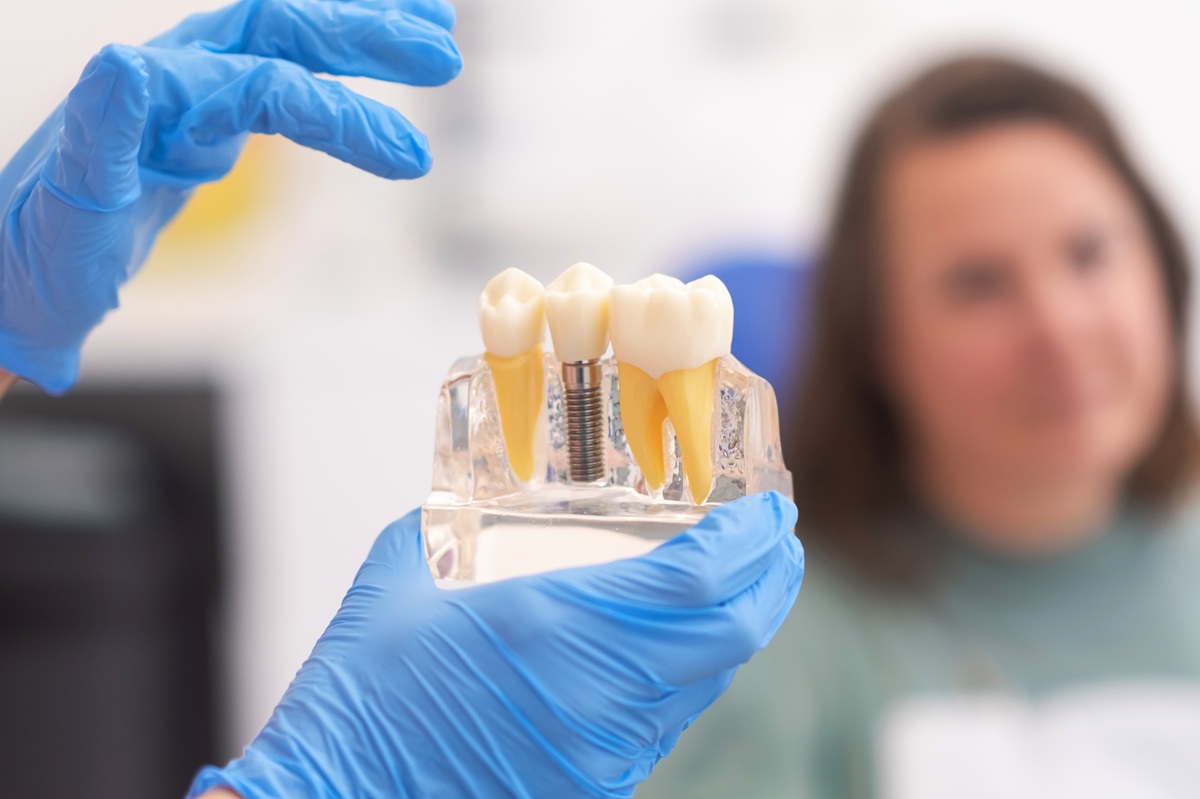
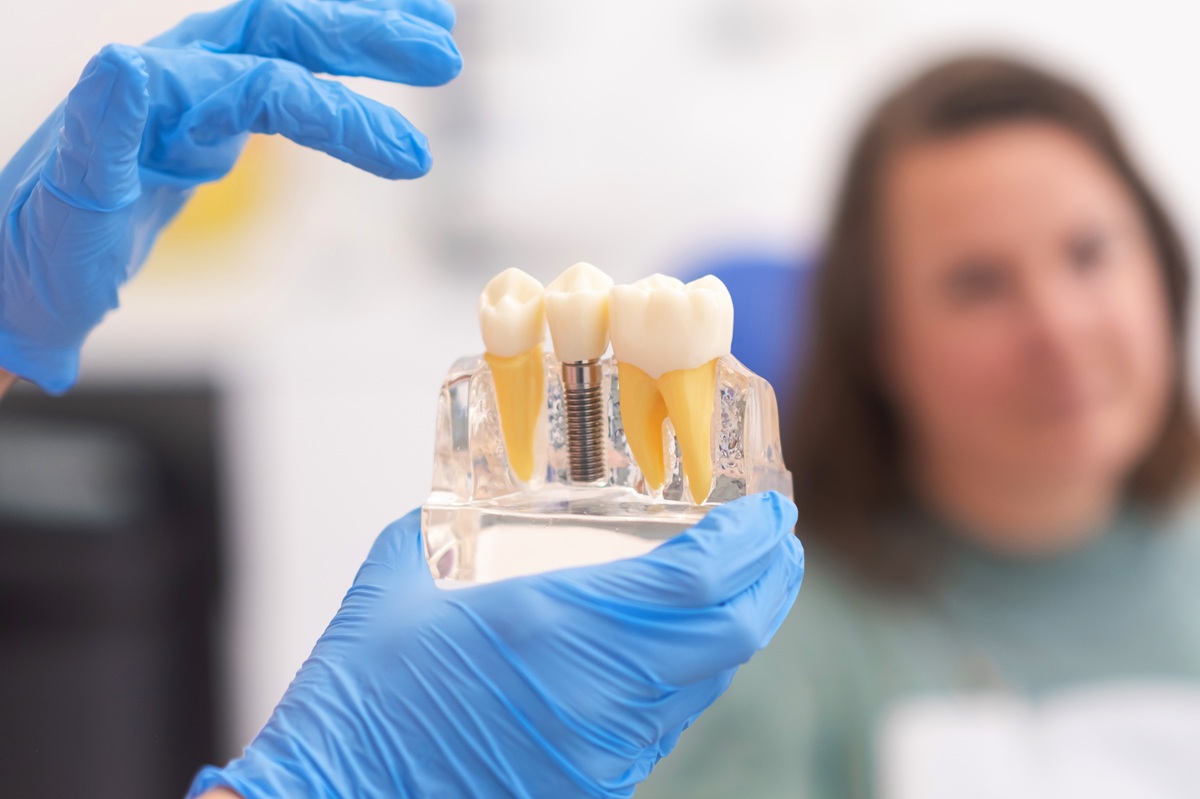
The implant post is carefully placed into the jawbone and serves as the foundation for the future tooth.
After the appointment, many adults return to lighter daily activities quickly, although recovery instructions should always be followed.
Helpful planning tips:
- Schedule the appointment before a lighter workday
- Prepare softer meals for a day or two
- Avoid major social events immediately afterward
- Keep post-care supplies ready at home
Stage 4: Healing and Integration
Typical timeline: Several weeks to a few months
This stage takes the longest—but requires the least effort.
During healing, the implant naturally bonds with the jawbone through a process called osseointegration.
The good news?
You are not making weekly office visits during this period.
Most people continue:
- Working normally
- Attending family activities
- Exercising based on recommendations
- Living daily life with minimal disruption
Periodic check-ins help confirm healing is progressing as planned.
Stage 5: Final Restoration
Typical appointment: 1–2 visits
Once healing is complete, the final restoration is placed.
This is when patients often notice the biggest difference—not just visually, but in daily convenience.
Simple things become easier again:
- Eating comfortably
- Speaking naturally
- Smiling in photos
- Feeling confident in meetings and conversations
For many adults, this stage feels less like finishing treatment and more like returning to normal.
Patients searching for a trusted option for a Dental implant in Mckinney frequently prioritize convenience, planning transparency, and care that respects their schedule.
How Busy Adults Make Treatment Work
One of the biggest misconceptions is that implants require endless appointments.
In reality, successful patients often follow a few practical habits:
Schedule early
Morning appointments can reduce disruptions later in the day.
Bundle visits when possible
Ask whether imaging, consultation, and planning can happen together.
Plan around major events
Vacations, work travel, and family milestones matter.
Stay consistent with follow-ups
Small check-ins help avoid unnecessary delays.
Why Adults Often Choose Implants Instead of Waiting
Missing teeth rarely become more convenient over time.
Delaying treatment may lead to:
- Shifting surrounding teeth
- Changes in bite alignment
- Difficulty chewing certain foods
- Additional restorative needs later
Adults often choose treatment because they want a solution designed to fit long-term goals—not another temporary fix.
A Local Perspective: Life Moves Fast Here
In a growing community like McKinney, routines can fill up quickly. Between commuting, community activities, youth sports, and busy family calendars, finding time for healthcare can feel challenging.
That’s why having a clear treatment timeline matters.
Knowing what happens—and when—helps remove uncertainty and makes it easier to move forward with confidence.
At West McKinney Dental & Orthodontics, the goal is to help patients understand each step so treatment feels organized, realistic, and manageable.
Ready to See What Your Timeline Could Look Like?
The idea of dental implants can sound like a major commitment—until you understand the process.
A personalized consultation gives you real answers, realistic scheduling expectations, and a treatment plan built around your life.
Frequently Asked Questions
How many appointments are usually needed?
Every case differs, but many implant treatments involve consultation, placement, healing check-ins, and final restoration visits.
Will I need time off work?
Many adults return to routine activities quickly after implant placement, though recovery recommendations vary.
Is the process uncomfortable?
Modern techniques focus on patient comfort throughout treatment and recovery.
Can implants fit into a busy schedule?
Yes. Treatment plans are often designed around work, family responsibilities, and personal commitments.
When should I schedule a consultation?
If you’re already thinking about replacing a missing tooth, an evaluation can help determine options and timing.