4550 Eldorado Pkwy, Suite 107, McKinney, TX 75070

Real Results Without the Wait or the Commitment
Cosmetic dentistry does not always have to mean a lengthy process, a significant investment, or permanent changes to your natural teeth. For a wide range of common smile concerns, dental bonding delivers meaningful, natural-looking results in a single appointment — with no drilling in most cases, no anesthesia required, and no alteration to the underlying tooth structure.
It is one of the most underappreciated procedures in cosmetic dentistry, and one of the most versatile. A small chip that has been bothering you for years, a gap you have always wanted to close, a tooth that is slightly shorter than the ones beside it. Bonding can address all of these concerns quickly, comfortably, and affordably.
At West McKinney Dental & Orthodontics, our team uses high-quality composite resin and an artist's attention to detail to produce bonding results that blend naturally with the surrounding teeth. The goal is always a result that looks like it was always there.
Schedule a Consultation
What is Dental Bonding
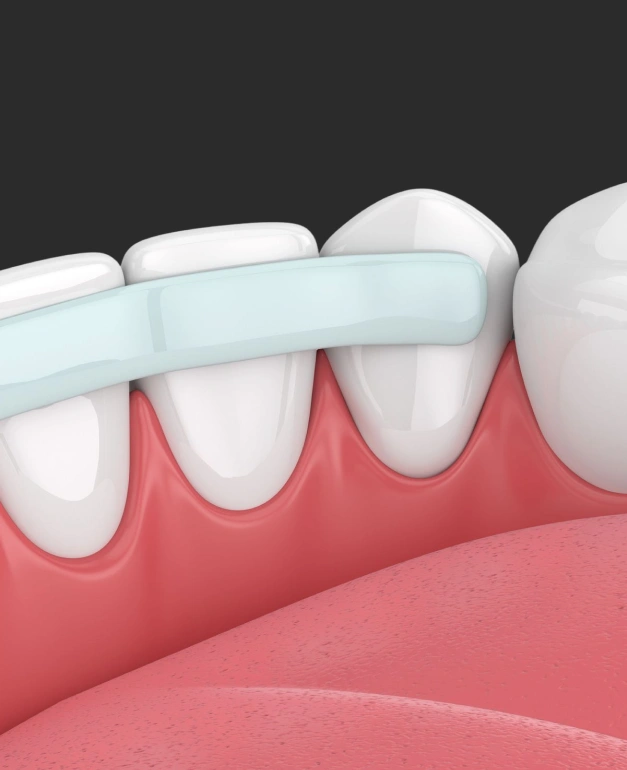
Dental bonding is a cosmetic procedure in which a tooth-colored composite resin material is applied directly to the surface of a tooth, sculpted into the desired shape, hardened with a curing light, and polished to a smooth, natural finish — all in a single visit.
The composite resin used in bonding is the same material used for tooth-colored fillings. It is available in a wide range of shades that can be matched precisely to the color of the surrounding natural teeth, making the bonded area virtually invisible once complete. The material bonds chemically to the tooth surface, which is what gives the procedure its name and its durability.
Unlike veneers or crowns, dental bonding typically requires no removal of tooth enamel — the composite is added to the existing tooth surface rather than replacing it. This makes bonding one of the most conservative cosmetic procedures available, and also one of the most reversible if a patient later decides to pursue a different cosmetic option.
What Can Dental Bonding Fix
Bonding is effective for a surprising range of cosmetic concerns. Common situations where our team recommends bonding include:
- Chipped or cracked teeth by restoring shape and appearance
- Small gaps between teeth for a more even smile
- Stained teeth that do not respond to whitening
- Misshapen or uneven teeth for better symmetry
- Minor length differences caused by wear or natural variation
- Exposed root surfaces to improve comfort and appearance
- Small cavities in visible areas with natural-looking, tooth-colored repair
What to Expect During a Bonding Appointment
Dental bonding is one of the most straightforward procedures we perform. Most bonding appointments are completed in 30 to 60 minutes per tooth, and in most cases no anesthesia is needed unless the bonding is being placed over a cavity or very close to the nerve of the tooth.
Here is what the process looks like from start to finish:
01.
Consultation and Planning
Our team evaluates the tooth or teeth being treated, discusses your cosmetic goals, and confirms that bonding is the most appropriate solution for your situation. Shade matching is done at this stage — we select the composite shade that most closely replicates the color of your surrounding natural teeth, or a slightly lighter shade if brightening the tooth is part of the goal. If you are planning to whiten your teeth, it is worth doing so before bonding, since composite resin does not respond to whitening and the bonded area will not lighten along with the natural teeth.
02.
Preparing the Tooth Surface
In most cases, very little preparation of the tooth is needed. The surface is lightly etched with a mild conditioning liquid that slightly roughens the enamel at a microscopic level, creating a better surface for the composite to bond to. This step is quick and painless.
03.
Applying the Composite Resin
The composite resin is applied to the tooth in a putty-like state, which allows our team to shape and mold it precisely to the desired form. This step requires both technical precision and an artistic eye — the material must be sculpted to match the natural contours of the tooth and blend seamlessly with the surrounding teeth in terms of shape, texture, and appearance.
04.
Hardening the Material
Once the composite is shaped to satisfaction, a curing light is held close to the tooth for a short period to harden the resin. The process takes only a few seconds per layer. Multiple layers may be applied and cured individually for deeper repairs or more significant reshaping.
05.
Finishing and Polishing
After hardening, our team trims and refines the shape as needed and polishes the bonded surface to a smooth, natural-looking finish that matches the sheen of the surrounding enamel. The bite is checked to make sure nothing feels off, and any minor adjustments are made before the appointment concludes.
Most patients leave their bonding appointment with an immediate result they are genuinely happy with. There is no recovery period and no restrictions on eating or drinking after the composite has been cured and polished.
How Long Does Dental Bonding Last
With proper care, dental bonding typically lasts four to eight years before it may need to be touched up or replaced. The lifespan of a bonded restoration depends on its location, the size of the bonded area, your bite, and your habits.
Bonding on the edges of front teeth tends to experience the most wear since those areas are subject to biting forces. Bonding used to close gaps or cover discoloration on flatter surfaces tends to hold up longer. Habits like nail biting, chewing ice, biting pens, or using teeth to open packaging significantly shorten the lifespan of bonded restorations.
The good news is that bonding is repairable and replaceable. If a bonded area chips, stains, or wears down, it can typically be touched up or redone at a straightforward follow-up appointment. Our team monitors the condition of existing bonding at every routine exam and flags anything that needs attention before it becomes a functional problem.
The only reliable way to know whether you are a candidate is to come in for an evaluation. Our team will be completely transparent about what we find and what your realistic options are.
Your Smile Could Look Different by This Time Tomorrow
Dental bonding is one of the few cosmetic procedures where the result is immediate and the process is easy. If you have been sitting on a cosmetic concern — a chip, a gap, a discolored tooth — and wondering whether fixing it is worth the effort, the answer is almost certainly yes. Come in and let our team show you what is possible.
New patients welcome. Same-day bonding appointments available based on schedule.
Frequently Asked Questions
Q. Does dental bonding hurt?
In most cases, no. Dental bonding does not require anesthesia unless it is being used to treat a cavity or is placed very close to the nerve. The etching step involves a mild liquid applied briefly to the tooth surface, which most patients do not find uncomfortable. The overall experience is one of the most relaxed in dentistry.
Q. How long does a bonding appointment take?
Most bonding treatments take 30 to 60 minutes per tooth. If multiple teeth are being bonded in the same visit, the appointment time increases accordingly. Our team gives you a realistic time estimate when you book so you can plan accordingly.
Q. Can bonding fix a badly chipped tooth?
Bonding works well for minor to moderate chips. For larger chips that have removed a significant portion of the tooth structure, a crown may be more appropriate to fully restore the strength and function of the tooth. Our team evaluates each case individually and recommends the most conservative solution that will produce a reliable long-term result.
Q. Will my bonding stain over time?
Composite resin is more porous than natural enamel and can pick up staining from coffee, tea, red wine, and tobacco over time. The surface can be polished at routine cleaning appointments to remove superficial staining, but deeper staining that has penetrated the material may require the bonding to be replaced. Minimizing exposure to heavily pigmented foods and drinks and not smoking helps extend the life and appearance of bonded restorations significantly.
Q. Can I whiten bonded teeth?
Whitening products work on natural tooth enamel but do not affect composite resin. This means that if you whiten your teeth after bonding, the bonded areas will not lighten along with the surrounding teeth, which can make the bonding more noticeable rather than less. If whitening is part of your cosmetic plan, it is always best to complete whitening first and then have bonding matched to the new, lighter shade of the natural teeth.
Q. Is dental bonding covered by insurance?
When bonding is used to repair a chip or fracture, or to treat a cavity, many dental insurance plans provide partial coverage. When it is used purely for cosmetic purposes — closing a gap, reshaping a tooth, covering discoloration — it is generally not covered. Our team checks your benefits before treatment and gives you a clear picture of what to expect cost-wise.
Q. How do I take care of bonded teeth?
Bonded teeth are cared for the same way as natural teeth — brushing twice daily, flossing daily, and keeping up with routine dental exams and cleanings. Avoiding habits that put excessive stress on the bonded area — biting nails, chewing ice, opening packages with your teeth — goes a long way toward extending the life of the restoration. Our team also checks the condition of all bonded areas at every routine exam.
Q. What happens if my bonding chips?
Call our office. A chipped bonded area can usually be repaired quickly and easily in a short follow-up appointment by adding additional composite and re-polishing the surface. It is rarely a situation that requires starting over completely, particularly for a smaller repair.
Q. Is bonding a good solution for closing gaps between teeth?
Yes, for minor gaps. Bonding builds out the edges of the teeth adjacent to the gap, effectively narrowing or closing the space. It works well for small diastemas, particularly between the two upper front teeth. For larger gaps or patients with more significant spacing issues across multiple teeth, orthodontic treatment may be a more appropriate long-term solution. Our team will give you an honest assessment of what bonding can realistically achieve for your specific situation.
Q. Can bonding be removed if I change my mind later?
Yes. Because bonding does not require removal of tooth enamel in most cases, it can be removed by our team without permanent damage to the underlying tooth structure. This makes bonding one of the most reversible cosmetic options available and one of the reasons it is a good starting point for patients who are not yet ready for a permanent solution.